So I was thinking about how folks jump into the Solana ecosystem, especially when it comes to staking and DeFi. Honestly, it’s kinda wild how many options there are—and not all of them are created equal. You might feel overwhelmed by validator choices or all those yield farming opportunities popping up every week. Wow! It’s like the Wild West out there, but with code instead of cowboys. The decisions you make can seriously affect your returns and risks. Here’s the thing: diving in without some groundwork could leave your investment vulnerable or, worse, locked up with minimal gains.
My first impression? Validators might seem like just technical nodes, but they’re actually the gatekeepers of your staking rewards. And yield farming? Well, it’s a bit like chasing after the best deals at a flea market—you have to know what’s legit and what’s a scam. Something felt off about some protocols that promise crazy yields. Initially, I thought all high APYs were great, but then I realized many come with hidden catches, like impermanent loss or lock-up periods that make you feel stuck. Hmm… I wanted to dig deeper.
Okay, so check this out—when you’re selecting a validator on Solana, it’s not just about the highest commission rate or flashy uptime stats. On one hand, you want a reliable validator with solid performance metrics, but on the other, you need to consider their reputation within the community and how decentralized the network remains if too many stake with one entity. Actually, wait—let me rephrase that. Too much stake concentration can hurt the network’s security and your own rewards in the long run. It’s a bit like putting all your eggs in one basket, even if that basket looks sturdy.
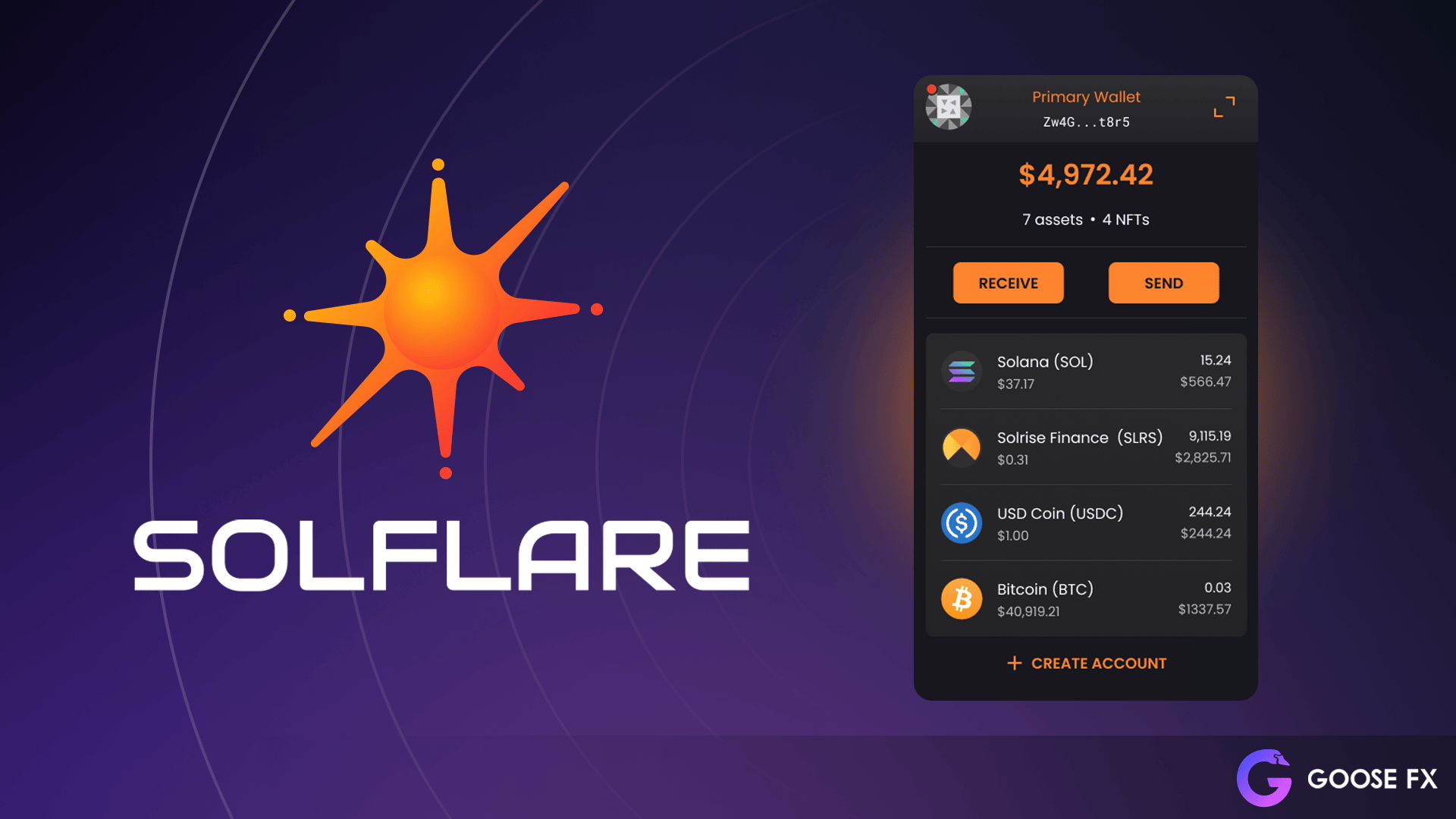
And here’s what bugs me about some DeFi platforms: the user experience often overlooks basic security hygiene. I’m biased, but a wallet that’s easy to use yet secure is very very important. That’s why I personally stick to wallets with a strong track record, like the one you can get from the solflare wallet download page. It supports seamless staking and integrates nicely with major DeFi protocols on Solana, which makes managing your assets way less stressful.
Yield farming is another beast altogether. At first glance, those sky-high yields seem like a jackpot. But you gotta ask—how sustainable are those returns? Many farms offer rewards in their native tokens that might tank in value quickly. Plus, farming often requires locking up your tokens, which can be risky if the protocol has vulnerabilities. I remember trying a farm that looked promising, only to find out their smart contract had a loophole that could’ve been exploited. Yikes. It made me rethink my entire approach to DeFi on Solana.
Validator Selection: Beyond the Surface
Let me share a little personal story. When I first staked SOL, I picked a validator solely based on their commission fee—it was the lowest I found, so naturally, I thought I was being smart. But over time, my rewards were inconsistent, and I noticed occasional downtime from that validator. That experience taught me that low fees don’t always equate to better returns. Reliability, community trust, and transparency are key factors that aren’t always obvious at first glance.
Something else worth mentioning: decentralization isn’t just a buzzword. If too many delegators flock to a small set of validators, the network’s resilience could be compromised. That’s why some wallets and dashboards now show you validator stake caps or encourage spreading your stake around. It’s kinda like diversifying stocks in your portfolio, but here it’s about keeping the blockchain healthy and your rewards steady.
Now, I’m not 100% sure about every validator’s internal operations—some things are just opaque. But I do look for validators who actively communicate with the community, have transparent policies, and participate in governance. That’s a signal to me that they’re in it for the long haul, not just short-term gains.
Yield Farming and DeFi Protocols: Playing it Smart
When it comes to yield farming, I always remind myself: if it sounds too good to be true, it probably is. The crypto space is notorious for hype cycles that lure people into risky ventures. I once jumped into a farm offering over 100% APY. Whoa! But the token’s price plummeted soon after, wiping out my gains and then some. Lesson learned the hard way.
Here’s the deal—some protocols use complex mechanisms to generate yields, like liquidity mining or borrowing/lending. These can be lucrative if you understand the risks. Impermanent loss, for example, can erode your farming returns if the token prices fluctuate too much. So, it’s crucial to use tools and dashboards that help you monitor these metrics in real time.
And yeah, interactions between wallets and protocols matter. Not all wallets handle smart contract approvals gracefully, leading to potential security slips. That’s why I appreciate wallets like Solflare, which offer robust integration with Solana’s DeFi ecosystem. If you haven’t already, check out the solflare wallet download and see how it streamlines your DeFi experience with built-in staking and farming features.
Oh, and by the way, some DeFi protocols have started introducing insurance funds or safeguards against hacks and bugs. It’s not perfect, but it’s a step toward more mature risk management in this space.
Wrapping It All Together (But Not Really)
So, circling back—validator choice and yield farming on Solana aren’t just about chasing the highest APYs or lowest fees. It’s about balancing security, decentralization, and realistic expectations. My instinct says that patience and careful research pay off more than chasing quick wins. Still, the landscape changes fast, and new players keep shaking things up.
Honestly, I’m still figuring out how some of the newer DeFi protocols will hold up over time. The tech is promising, but the risks are very real. That said, for anyone serious about staking or farming on Solana, starting with a trusted wallet like Solflare (grab it at the solflare wallet download link) can smooth out a lot of bumps.
Anyway, this whole validator and yield farming thing feels like a layered puzzle—where every piece affects the others. I’m curious to see how the ecosystem evolves, especially as more governance and security features roll out. For now, I’m sticking with what I know, but keeping an eye out for those game-changing updates.
Common Questions About Solana Validators and Yield Farming
How do I choose a reliable validator?
Look beyond fees. Check validator uptime, community reputation, stake distribution, and transparency. Diversifying your stake among multiple validators helps maintain network health and could stabilize your rewards.
What risks are involved in yield farming?
Impermanent loss, smart contract vulnerabilities, and token price volatility are major risks. Always assess the protocol’s audit status and avoid farms promising unsustainably high returns without clear backing.
Why use Solflare wallet for staking and DeFi?
Solflare offers a user-friendly interface with strong security features and seamless integration with Solana’s ecosystem, making staking and yield farming safer and easier to manage.