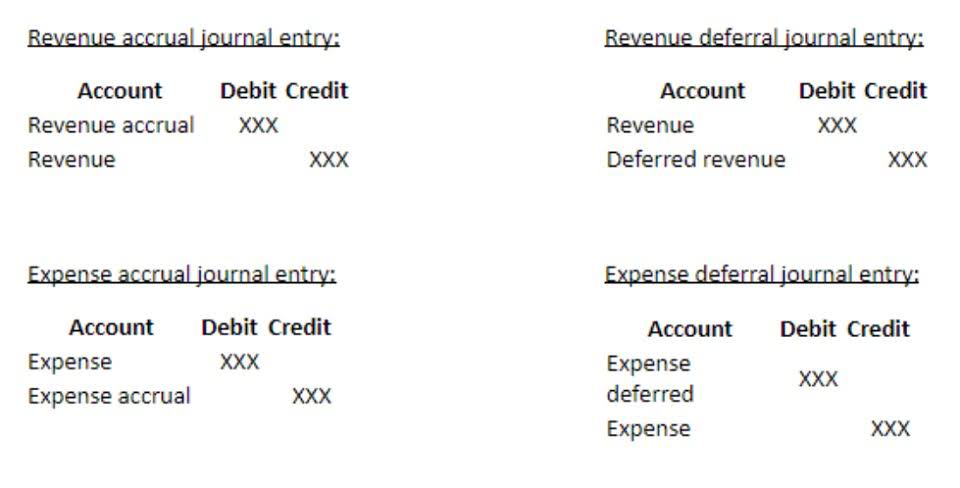
Loans and fixed assets will be recorded on the balance sheet rather than on the profit and loss. Depreciation will be recorded at year-end to match the tax return. This option can work well and has the advantage of keeping these expenses out of the main section of Profit & Loss if you are only calculating and adjusting COGS once a quarter or once a year.
- Variances between the two can highlight areas where the vineyard is overspending or where efficiencies can be improved.
- Using a bookkeeper instead of handling your finances yourself will reduce your operating costs in several ways.
- Join 500+ business owners in the know, getting the latest accounting news in the wine business.
- While tracking cash inflows and outflows is essential for day-to-day operations, it doesn’t always provide a true reflection of your profitability and financial position.
- This metric provides insight into how effectively a winery is managing its production costs relative to its sales, offering a clear picture of profitability.
You want a financial partner who understands the wine industry to help you understand your wine business.
The unique nature of the industry, characterized by long winery bookkeeping production cycles and seasonal variations, presents distinct challenges that necessitate specialized accounting strategies. Accounting, at its foundation, is a process of organizing financial information. Transaction-level data is sorted into bigger buckets so that the information can be summarized and reported on in an organized and logical manner. Key challenges in starting a winery include high initial costs, obtaining permits, and the long maturation period before producing marketable wine. Other obstacles include managing vineyard health, dealing with pests, weather variations, and navigating complex regulations. Effective planning and expert consultation can mitigate these challenges.

Ready for a brighter financial future?
Classes and tags in QuickBooks Online (QBO) accounting software give you X-ray vision into your winery’s finances. Over time, they reveal hidden insights that lead to smarter business decisions. From the first tender shoots recording transactions in the vineyard to the satisfying pop of a cork, your winery embodies passion and hard work. With all the love and effort you put in, wanting to make a profit goes without saying. Accurate financial management is fundamental to running a thriving wine business. Protea Financial is here to help you navigate the world of wine accounting.
What are the initial expenses involved in starting a winery?
- And, there can be wine shrinkage, where the wine evaporates while it’s aging in the oak barrels.
- If you operate a vineyard in addition to winery, include those labor expenses in your total labor cost.
- Major expenses involve land acquisition, vineyard planting, fermentation tanks, bottling machinery, and labor costs.
- Our expert financial oversight and experience will get your finances in shape so you can lean into a strategy for thoughtful growth.
- The foundation of any successful business – including wineries – is made up of the numbers that underly everything.
The automated bank feed feature in QBO simplifies the daily and weekly bookkeeping and makes reconciling a breeze. Winery Accounting & Compliance Co. offers complete bookkeeping, payroll and compliance services to wineries and many other types of businesses throughout Napa and Sonoma Valley. Our team of winery accountants is focused exclusively on helping small wineries thrive. Depreciation is the way your assets have depreciated over time and how that impacts profitability. Talk to your accountant or bookkeeper about the depreciation methods and rates applicable to your assets.
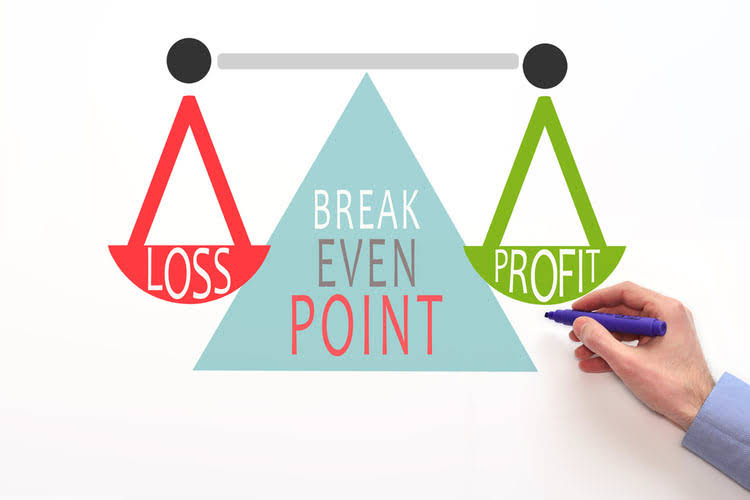
Finally, you https://www.bookstime.com/bookkeeping-services/fort-lauderdale must track how much is spent on all the other operational costs of your winery. It’s exacting work, and made worse by the often confusing overlap between overhead, production, and material costs. Weighted Average Cost is a more generalized approach, calculating the average cost of all inventory items available for sale during the period.
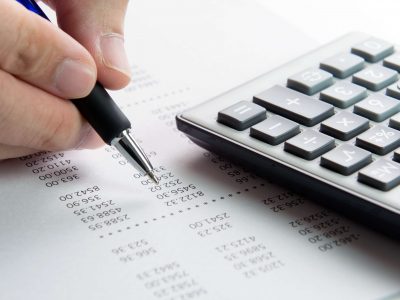
It helps wineries understand their current assets, manage stock levels efficiently, and make informed business decisions regarding production and sales. Tax accounting for wineries involves managing excise taxes, sales taxes, and import/export taxes. Proper tax accounting ensures compliance with local and federal regulations, helps avoid penalties, and can optimize tax liabilities.
The best QBO subscription plan for wineries
Of these four steps, the crush and bottling phases are quite short, while the other two can be very long. Be sure to take into consideration the cost of depreciation on your winery’s equipment, buildings, and vehicles. This means deferring the value of these assets over their life cycle. First, create temporary accounts within the “other expenses” section of your profit and loss (P&L) statement. An accrual is an accounting entry that records income you’ve earned but haven’t received, or an expense you’ve incurred but haven’t paid.